
How the Tour de France Became a $150 Million+ Business
Discover how the Tour de France transformed from a bike race into a $150 million+ global business through TV rights, sponsorships, and commercialisation.
By The Back5 team Updated 5 min read
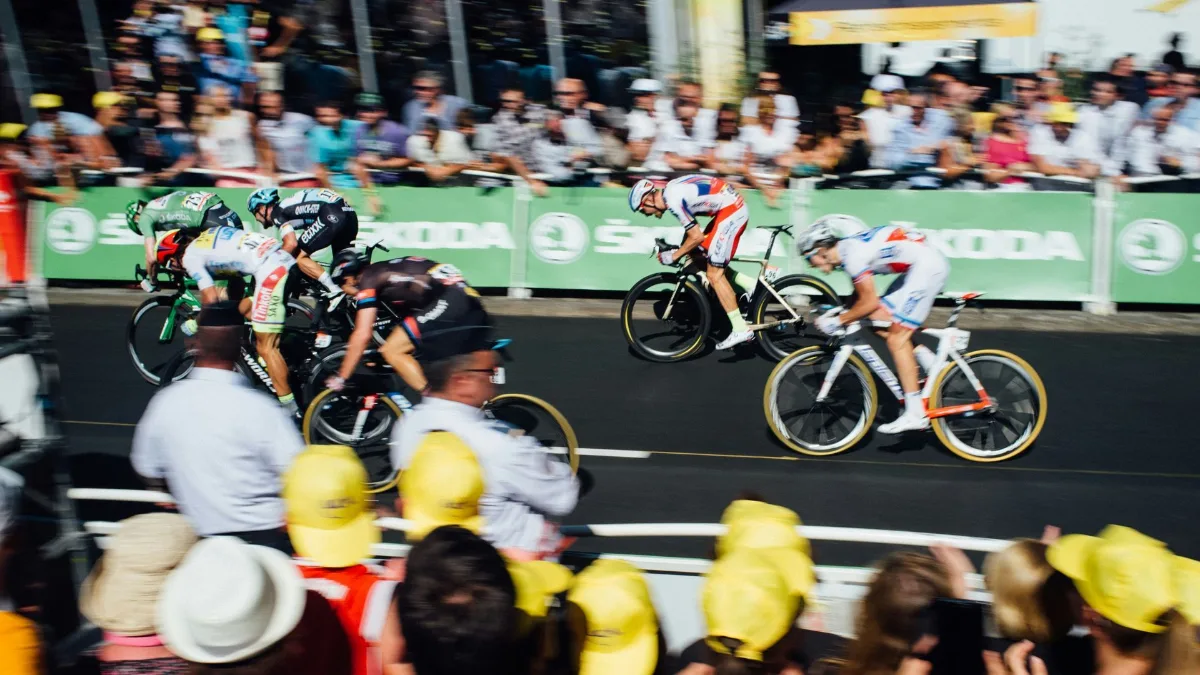
The Tour de France, cycling’s most prestigious race, has evolved far beyond its humble beginnings as a newspaper circulation booster in 1903. Today, this three-week spectacle generates over $150 million annually, making it one of the most valuable sporting events in the world. But how did a bicycle race transform into such a massive business enterprise?
From Newspaper Promotion to Global Brand
The Tour de France was originally conceived by Henri Desgrange and Géo Lefèvre as a marketing stunt for the struggling sports newspaper L’Auto. Their goal was simple: increase circulation by creating an extraordinary cycling challenge that would capture public imagination.
Fast forward to today, and the race has become a sophisticated business operation managed by Amaury Sport Organisation (ASO), which has turned the Tour into a meticulously orchestrated commercial machine that generates revenue streams far beyond what its creators could have imagined.
The Revenue Powerhouse: Breaking Down the Numbers
Television Rights: The Golden Goose
Television broadcasting rights represent the largest single revenue source for the Tour de France, accounting for approximately 60-70% of total income. The race is broadcast to over 190 countries, reaching an estimated global audience of 3.5 billion viewers across the three weeks. Major broadcasting deals with networks like France Télévisions, NBC Sports, and Eurosport contribute tens of millions to the annual budget.
Sponsorship: The Caravan Economy
The famous Tour de France caravan, featuring colourful promotional vehicles that precede the race, generates substantial sponsorship revenue. Major partners like Škoda (official vehicle partner), Krys (eyewear), and Carrefour (retail) pay millions for prominent placement. Team sponsorships add another layer, with cycling teams themselves representing significant marketing investments from corporate sponsors.
Host City Fees: The Route as Product
Perhaps one of the most ingenious revenue streams is the fees charged to cities and regions that want to host Tour stages. Towns pay anywhere from €100,000 to €500,000 to host a stage start or finish, viewing it as an investment in tourism and regional promotion. The economic impact on host cities often exceeds €10 million per stage through increased tourism, hotel bookings, and local spending.
Beyond the Bike: Merchandising and Licensing
The Tour de France has successfully monetised its brand through extensive merchandising operations. From official yellow jerseys to branded cycling gear, souvenirs, and collectibles, merchandise sales contribute significantly to the bottom line. The iconic polka dot jersey, yellow jersey, and green jersey have become globally recognised symbols that translate into valuable licensing opportunities.
Digital platforms have opened new revenue channels through streaming services, mobile apps, and online content partnerships. The Tour’s official website, social media presence, and digital engagement strategies create additional advertising and sponsorship opportunities.
The Economic Ecosystem: More Than Just the Race
The Tour de France’s business model extends beyond the three-week race itself. ASO leverages the Tour brand year-round through:
Training Camps and Experiences: Premium cycling experiences that allow enthusiasts to ride sections of the Tour route, complete with professional support and luxury accommodations.
Corporate Hospitality: High-end hospitality packages that can cost thousands per person, offering VIP access to stages, exclusive dining experiences, and meet-and-greet opportunities with cycling legends.
Tourism Partnerships: Collaborations with French tourism boards and regional governments to promote cycling tourism throughout the year, not just during the race.
Technology and Innovation: The Modern Tour
Recent investments in technology have created new revenue opportunities while enhancing the viewing experience. GPS tracking, onboard cameras, and advanced analytics provide broadcasters with compelling content while opening doors to data partnerships and technological sponsorships.
The race has also embraced sustainable practices, partnering with environmental organizations and promoting eco-friendly initiatives, which appeal to modern sponsors and audiences increasingly concerned with corporate social responsibility.
Global Expansion: Exporting the Model
ASO has successfully expanded the Tour de France brand internationally, organizing events like the Tour de France Femmes (women’s race) and exploring opportunities in emerging markets. This diversification strategy helps stabilize revenue streams and reduces dependence on any single market.
The organization also manages other major cycling events, including Paris-Roubaix and the Critérium du Dauphiné, creating a portfolio of properties that leverage shared infrastructure and expertise.
Challenges and Future Opportunities
Despite its financial success, the Tour faces modern challenges including:
- Increasing competition from other sports and entertainment options
-
The need to attract younger audiences in an evolving media landscape
-
Balancing commercial interests with cycling tradition and sporting integrity
- Adapting to changing sponsor expectations and marketing strategies
However, opportunities abound in digital expansion, emerging markets, and the growing popularity of cycling as both sport and lifestyle choice, particularly post-pandemic.
The Bottom Line: A Business Built on Passion
The Tour de France’s transformation into a $150 million+ business demonstrates how authentic sporting events can be monetized without losing their essential character. By maintaining the race’s core appeal while developing sophisticated commercial strategies, ASO has created a sustainable business model that funds not just the Tour itself but the entire ecosystem of professional cycling.
The key to this success lies in understanding that the Tour de France isn’t just selling a bicycle race; it’s selling dreams, adventure, and the romance of cycling through the beautiful French countryside. That emotional connection, combined with savvy business practices, has created one of the world’s most valuable sporting properties.
As cycling continues to grow globally and new technologies emerge, the Tour de France is well-positioned to maintain its status as both a sporting spectacle and a business empire, proving that with the right vision and execution, even a simple bicycle race can become a global commercial phenomenon.